Monthly Archives: December 2015

Chlamydia trachomatis

by Erica Grier and Mariepièr Glaude

Introduction

Chlamydia trachomatis is a bacterium that infects the columnar epithelial cells of the urethra, cervix and rectum. It also occasionally infects other parts of the human body such as the lungs and eyes, though this is less common. C. trachomatis is gram negative, non-motile and an obligate intracellular pathogen. Infection by C. trachomatis is the most frequently reported STI in Canada and the United States.

Disease

C. trachomatis is spread through vaginal, anal and oral sex. Pregnant women infected with chlamydia can also infect their child while giving birth. Once C. trachomatis gets inside the human host, immune cells will attempt to fight off the pathogen. However, C. trachomatis is able to avoid being killed by immune cells by living and replicating inside of them (Figure 1). Infection by C. trachomatis can cause pain during sex, pain during urination, unusual or bloody vaginal discharge, and sometimes even nausea and mild fevers. However, infection by C. trachomatis can also be completely asymptomatic. Asymptomatic carriers are an important reservoir for the bacteria as people who are unaware they are infected can easily spread the infection to their partners.

Figure 1: Human pap smear showing cells infected with Chlamydia trachomatis at 500x magnification, stained with haematoxylin and eosin (Photo source: PLOS Pathogens).

Figure 1: Human pap smear showing cells infected with Chlamydia trachomatis at 500x magnification, stained with haematoxylin and eosin (Source: PLOS Pathogens).

Epidemiology

C. trachomatis is found worldwide and is considered endemic to over 50 different countries. Although many C. trachomatis infections occur annually in North America, infections are most common in Africa, the Middle East, India and Southeast Asia.

The most influential factors of infection are sex and age, but race can also play a role in risk of infection. It has been shown that women are more likely to develop chlamydia infections than men. Additionally, the Centre for Disease and Control has recently reported enormous increases in infection rates for both men and women, 37.6% and 29.3% respectively. In a group of 100 000 females ranging from 15 to 19 years old, it is likely that around 2800 of them will be infected by C. trachomatis. For men, the most infected age group is usually older, ranging from 20 to 25 years old. Men who have sex with other men are also at greater risk of contracting C. trachomatis infections. When analyzing risk of infection in terms of race, the rate of C. trachomatis infection is approximately 8 times greater among African American populations than it is among Caucasian populations.

Virulence Factors

For a chlamydia infection to be established, the intracellular pathogen must bind to and be taken in by the host cell. Binding and entry into the host is largely mediated by the polymorphic membrane D (PmpD). This protein acts as an adhesion molecule, allowing the bacteria to bind to and be ingested by the immune cell. Normally, these immune cells kill the pathogen with degradative enzymes upon fusion of the phagosome and lysosome. However, this is not the case when an immune cell is infected with C. trachomatis. C. trachomatis is only able to establish an infection because it is capable of preventing killing by the immune cell.

In order to survive inside the host, C. trachomatis is endocytosed by the immune cell as an elementary body. This body is the explanation behind the intracellular survival of the bacteria. It inhibits fusion of the phagosome to the lysosome, allowing the pathogen to continue its life cycle (Figure 2). The elementary bodies, considered the inactive form of chlamydia, then develop into reticulate bodies. About 20 hours after initial infection, these reticulate bodies divide and differentiate back into elementary bodies that are released and can now induce new rounds of infection.

Figure 2: Elementary bodies inhibit the fusion of the lysosome to the phagosome, preventing the completion of phagocytosis and therefore the degradation of C. trachomatis (Source: Mariepièr Glaude).

Figure 2: Elementary bodies inhibit the fusion of the lysosome to the phagosome, preventing the completion of phagocytosis and therefore the degradation of C. trachomatis (Source: Mariepièr Glaude).

Another factor that contributes to virulence is the concept of antigenic variation. Currently, there are 15 known serotypes related to C. trachomatis infections. Antibodies produced for one serotype will have no effect on another serotype, allowing C. trachomatis to remain harmful to host cells. Studies have shown that the lipopolysaccharides (LPS) found in the cell wall of C. trachomatis also play a role in the bacteria’s infectivity. This is because LPS is important in the binding of the bacteria to cells of the genital and respiratory tracts.

Treatment

Chlamydia trachomatis infections can be treated with antibiotics. Azithromycin, erythromycin and doxycycline are commonly used and very effective. These antibiotics clear infections by preventing bacteria from producing proteins essential to survival. Other antibiotics such as amoxicillin are used in place of doxycycline to treat chlamydia in pregnant women because doxycycline can cause harm to a developing child. Patients with chlamydia should abstain from sexual intercourse for seven days after starting antibiotics to avoid infecting their partners. If both partners have C. trachomatis infections they should be treated at the same time to prevent reinfection.

References

Centers for Disease Control and Prevention STD Surveillance [Internet]. 2009. San Francisco (CA): CDC; [updated 2010 Nov 22, cited 2015 Nov 20]. Available from: http://www.cdc.gov/std/stats09/

Darville C. 2015. Chlamydia trachomatis – Urgent need for an effective T cell vaccine to combat the silent epidemic of a stealth bacterial pathogen. PLOS Pathogens [Internet]. [updated 2010 Feb 25, cited 2015 Nov 20]. Available from: http://blogs.plos.org/speakingofmedicine/2015/02/25/ chlamydia-trachomatis-urgent-need-effective-t-cell-vaccine-combat-silent-epidemic-stealth-bacterial-pathogen/

Fadel S, Eley A. 2008. Is lipopolysaccharide a factor in infectivity of chlamydia trachomatis? Journal of Medical Microbiology. 57: 261-266.

Hafner L, Beagley B, Timms P. 2008. Chlamydia trachomatis infection: host immune responses and potential vaccines. Mucosal Immunology. 1(2):116-130.

Miller KE. 2006. Diagnosis and Treatment of Chlamydia trachomatis Infection. American Family Physician. 73(8): 1411-1416.

Mishori R, McClaskey E, Winklerprins J. 2012. Chlamydia Trachomatis Infections: Screening, Diagnosis, and Management. American Family Physician. 86(12): 1127-1132.

Peeling R, Mabey D, Herring A, Hook E. 2006. Why do we need quality-assured diagnostic tests for sexually transmitted infections? Nature Reviews Microbiology. 4: 909-921.

Stamm WE. 1999. Chlamydia trachomatis Infections: Progress and Problems. 179(2): 80-83.

Taylor B, Darville T, Tan C, Bavoil P, Ness R, Haggerty C. 2011. The Role of Chlamydia trachomatis Polymorphic Membrane Proteins in Inflammation and Sequelae among Women with Pelvic Inflammatory Disease. Infectious Diseases in Obstetrics and Genycology. Doi: 10.1155/2011/989762.

Bacillus anthracis

by Lauren Mcmannus

Introduction

Bacillus anthracis is an endospore-forming bacteria that causes anthrax disease in animals and humans. The endospore (Figure 1) is the inactive, highly-resilient form of a B. anthracis bacterium that can withstand extreme conditions. Anthrax endospores enter its host most commonly through skin wounds, but also by inhalation or ingestion. Human contraction of B. anthracis occurs predominantly through contact with diseased animals or contaminated animal parts.

Figure 1: Image of Bacillus anthracis spores as seen under a microscope using phase contrast. Phase contrast shows endospores as bright white spots where the bacteria is dormant. Source: Public Health Image Library, Center for Disease Control, Larry Stauffer, Oregon State Public Health Laboratory (2002)

Figure 1: Image of Bacillus anthracis spores as seen under a microscope using phase contrast. Phase contrast shows endospores as bright white spots where the bacteria is dormant. Source: Public Health Image Library, Center for Disease Control, Larry Stauffer, Oregon State Public Health Laboratory (2002)

Disease

An infection develops in humans after exposure to B. anthracis in specific locations in the body depending on the route of exposure. Cutaneous anthrax occurs when bacteria enter skin through a wound or break in the skin, creating black lesions. Infection can also result from inhaling endospores released into the air from manufacturing wool or hides. Less commonly, anthrax infection can occur in the digestive system from eating contaminated food like undercooked and tainted meat, or through injection of heroin.

Once B. anthracis enters the human, the bacteria encounter macrophages, cells of the immune system that recognize bacterial pathogens and engulf them. Macrophages kill by trapping bacteria and exposing it to a highly acidic environment. These macrophages internalize the B. anthracis, but the endospores (Figure 1) are able to withstand these extreme conditions and survive. From there, B. anthracis can revert back to its non-spore state and replicate within the body, releasing toxins and causing damage.

Epidemiology

Rates of anthrax infection has significantly decreased in the past few decades, largely as a result of vaccine awareness and hygiene standards implemented around the world. Worldwide rates of infections are not well-recorded, but there are only 1 or 2 cases of cutaneous anthrax in the United States each year.

Humans have most commonly contracted anthrax after coming in contact with infected animals or animal products. Veterinarians, farmers, butchers, or industrial workers that handle animal hides or wool are at a higher risk of developing an infection, especially through a wound on the skin. More than 95% of all anthrax cases develop from cutaneous exposure, and this is also the least fatal as the infection is limited to one area.

Cutaneous exposure can have a mortality rate around 20%, while the mortality rates of inhalation and digestive system exposure are 80% and 25 to 75%, respectively. Internal anthrax infection is not as easily treated and is often not recognized until the disease is in its later stages, leading to high mortality rates.

Virulence Factors

When not in endospore form, B. anthracis is more susceptible to immune system defenses when travelling through the body. In order to disguise itself from the host’s immune system cells, like macrophages, B. anthracis surrounds itself in a capsule made up of poly-gamma-D-glutamic acid. When covered in this capsule, the bacteria are less likely to attract attention and can safely multiply and multiply.

The damaging nature of B. anthracis is revealed when large numbers of these bacteria begin to release exotoxins. As seen in Figure 2, bacteria release protective antigen, edema factor, and lethal factor as three separate molecules that are not active by themselves. When the edema factor binds to the protective antigen, the edema factor becomes activated and causes fluid to rush out from cells and collect in the tissue. On the other hand, when the lethal factor binds to the protective antigen, a lethal toxin is created that helps kill macrophages and other cells of the immune system. It also changes the signals cells receive from each other, severely disrupting vital processes that allow for basic functions of cells and leading to cell death.

Figure 2: The secretion of inactive molecules by B. anthracis lead to the production of toxins. The binding of LF and EF alone do not create a toxin. The binding of LF and PA create an active lethal toxin, and the binding of PA and EF create an edema toxin. PA bound with both LF and EF have lethal and edema effects.

Figure 2: The secretion of inactive molecules by B. anthracis lead to the production of toxins. The binding of LF and EF alone do not create a toxin. The binding of LF and PA create an active lethal toxin, and the binding of PA and EF create an edema toxin. PA bound with both LF and EF have lethal and edema effects.

Prevention and Treatment

Though treatments are available, anthrax vaccines are available to humans and animals to offer the best protection against B. anthracis. Human vaccines are not available to the general population, but they are given to people working directly with animals or animal products that are at risk for infection.

Humans

Antibiotic treatments are available and useful when administered early, but they aren’t able to reverse the serious damage done by toxins. Infections can usually be treated with penicillin, an antibiotic that causes cell death by disrupting the links of peptidoglycan on a bacteria’s cell wall. Peptidoglycan is a molecule made up of proteins and sugars that form a protective layer around a bacterial cell.

However, other antibiotics like ciprofloxacin has been used in recent infections in the United States caused by the B. anthracis strain ‘Ames’, as these bacteria produce enzymes called beta-lactamases that can break down antibiotics like penicillin. Ciprofloxacin targets DNA gyrase and DNA topoisomerase IV, which are enzymes that regulate the coiling of bacteria DNA, and this targeting prevents proper DNA replication of B. anthracis.

Animals

Penicillin can also be used to treat animals, like cattle, that have contracted anthrax.

References

Centers for Disease Control and Prevention, National Center for Emerging and Zoonotic Infections Diseases, Division of Foodborne, Waterborne, and Environmental Diseases (2008, August 26 2009). Anthrax.   Retrieved from http://www.cdc.gov/nczved/divisions/dfbmd/diseases/anthrax/technical.html#incidence

Centers for Disease Control and Prevention. (2015, September 1 2015). How People Are Infected. Anthrax.  Retrieved from http://www.cdc.gov/anthrax/basics/how-people-are-infected.html

Drlica, K., & Zhao, X. (1997). DNA gyrase, topoisomerase IV, and the 4-quinolones. Microbiology and Molecular Biology Reviews, 61(3), 377-392.  Retrieved from http://mmbr.asm.org/content/61/3/377

FDA (Food and Drug Administration). (June 17 2015). Anthrax.   Retrieved from http://www.fda.gov/BiologicsBloodVaccines/Vaccines/ucm061751.htm

Jang, J., Cho, M., Chun, J.-H., Cho, M.-H., Park, J., Oh, H.-B., . . . Rhie, G.-e. (2011). The Poly-γ-d-Glutamic Acid Capsule of Bacillus anthracis Enhances Lethal Toxin Activity. Infection and Immunity, 79(9), 3846-3854. doi:10.1128/iai.01145-10

Organization, World Health. (2008). Anthraxin humans and animals (pp. 219).  Retrieved from http://www.who.int/csr/resources/publications/anthrax_webs.pdf

Rogers Yocum, J. R. R., Jack L. Strominger. (1979). The Mechanism of Action of Penicillin. The Journal of Biological Chemistry, Vol. 255(No. 9), 3977-3986. Retrieved from http://www.jbc.org/content/255/9/3977.full.pdf

Schneemann A, Manchester M. Anti-toxin antibodies in prophylaxis and treatment of inhalation anthrax. Future microbiology. 2009;4:35-43. doi:10.2217/17460913.4.1.35.

Spencer, R. C. (2003). Bacillus anthracis. Journal of Clinical Pathology, 56(3), 182-187. doi:10.1136/jcp.56.3.182

Todar, K. (2012). Bacillus anthracis and Anthrax (page 3).   Retrieved from http://textbookofbacteriology.net/Anthrax_3.html

Todar, K. (2012). Structure and Function of Bacterial Cells.   Retrieved from http://www.textbookofbacteriology.net/structure_5.html


Mycobacterium leprae

by Gaëlle-Laurie Dubréus and Emilie Yeh

Introduction

Mycobacterium leprae, a gram positive bacterium, exists as an obligate intracellular pathogen that causes Hansen’s disease, commonly known as leprosy. This disease has been identified as long as 1550 B.C. in Egypt and was first isolated in 1873 by G.A. Hansen (hence the name of the disease). Since then, much has been discovered on its epidemiology, pathogenicity, and treatments –which were successfully created in the 1970s.

Disease

The mode of transmission of M. leprae appears to be from person-to-person either by droplets from sneezing and coughing or by other nasal secretions. Also, the bacteria can use an abrasion in the skin to colonize the superficial site of the epithelium and the peripheral nerves. Families with members who have leprosy have a higher susceptibility of developing this illness due to genetic predisposition. The only organisms known to harvest the infection and develop the disease are humans and armadillos, whom can remain asymptomatic for upto twenty years (long incubation time).

Although patients usually show signs of sores on the skin, leprosy exists in the following two forms: tuberculoid (pauci-auxillary leprosy), which occurs as skin discoloration, and lepromatous (multi-bacillary leprosy), which manifests as skin lesions, plaques, nodules, thickened skin, and nasal complications. The cause for the manifestation of each is based on the T-cell count, where those with a higher count develop the milder form of leprosy. Lepromatous leprosy is the more severe clinical case so it triggers the production of more antibodies against the bacterium, but with a compromised immune cellular response. Moreover, both forms of leprosy can result in collateral damage to the peripheral nervous system. This can permanently affect the arms, legs, eyes, nerves, and the skin.

Epidemiology

Leprosy is present worldwide, especially in warm tropical and subtropical regions. In 2013, based on statistical analyses from five areas of the World Health Organization (WHO), which included 103 countries, there were about 180.6 thousand cases of leprosy reported. Within a community, the emergence of new cases depends on the rate of transmission between the individuals of that society. For instance, this disease seems to be predominant in certain endemic regions; 14 different but specific countries, such as India, Brazil, several areas in Africa, etc., appear to be contributing to approximately 96% of the new cases of leprosy yearly.

Although adults are less likely to acquire the infection, those who do develop the disease have the lepromatous form, which occurs more frequently in men in comparison to women. Conversely, the tuberculoid form of leprosy evolves more quickly in children and its development is equal among both sexes. Since treatment with multi-drug therapies (MDT) debuted, the prevalence of this disease has significantly diminished as in less than 1 per 10,000 individuals. However, in developing countries, there exists a lack of education on this disease as well as low-to-no access to treatment. Consequently, those carrying the bacterium may not be aware of their infection and suffer from severe physical complications and handicaps in the long run– due to late diagnosis.

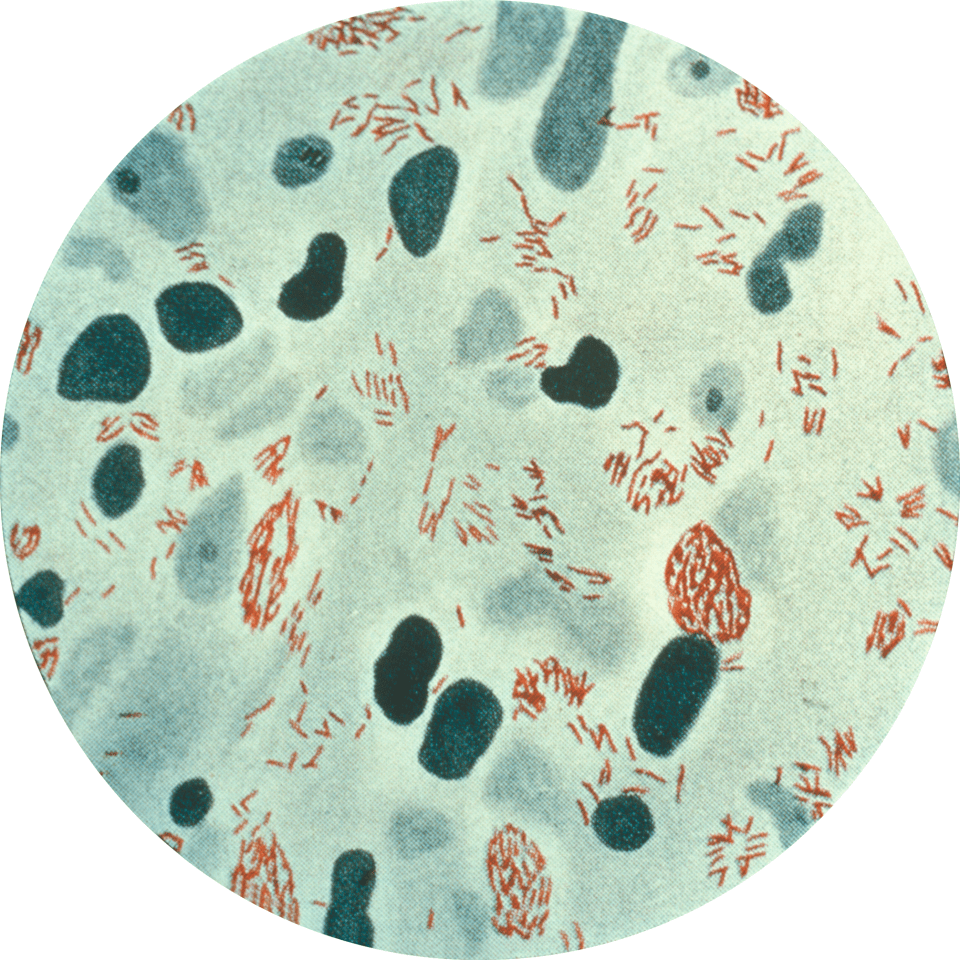
Figure 1: A biopsy from the skin lesion of a patient infected with M. leprae. Here, the bacteria are stained red. (Source: http://journals.plos.org/plosmedicine/article?id=10.1371/journal.pmed.0020341)

Figure 1: A biopsy from the skin lesion of a patient infected with M. leprae. Here, the bacteria are stained red. (Source: http://journals.plos.org/plosmedicine/article?id=10.1371/journal.pmed.0020341)

Virulence Factors

Leprosy is a difficult infection to study since it cannot be grown in the laboratory. With recent scientific advancements, more of its infection mechanisms have been brought to light, but many details remain unresolved.

 M. leprae begins by infecting Schwann cells found on the exterior of the nerve cells’ axons. The bacterium uses appendages called adhesins to attach itself to the Schwann cells (Figure 2). This results in nerve damage caused by leprosy. In recent years, researchers discovered that M. leprae can accelerate the proliferation of Schwann cell in order to increase the number of cells in which they can infect. Once the host detects a bacterial infection, the immune system initiates the processes that should ultimately lead to the elimination of the invading organism(s). Cells called macrophages are released to phagocytose (or ingest) the bacteria. Normally, the bacteria would be digested within the macrophage, but M. leprae evades cell death using a method that is still not fully understood. M. leprae continues to perpetuate within the macrophage and infects other cells in the host.

Figure 2: The attachment site of M. leprae on Schwann cells (Figure by Emilie Yeh).

Figure 2: The attachment site of M. leprae on Schwann cells (Figure by Emilie Yeh).

Treatment

M. leprae is more difficult to treat than other bacterial infections since it has an abnormally high number of lipid on its cell wall, which acts as a protective barrier against antibiotics from penetrating into the cell. The treatment that is recommended by the World Health Organization are the following multidrug therapies: Dapsone, Rifampin, and Clofazimine. Dapsone inhibits the replication of the cells and all three have bactericidal effects on M. leprae. In the case of tuberculoid leprosy, these antibiotics can reverse heal the patients almost completely; whereas, for lepromatous leprosy, the damage done pre-treatment tend to be irreversible even after the antibiotics have been administered. (Fig. 3) While these drugs have been proven to be extremely effective in curing leprosy, the details on the mechanism of each drug is not yet fully understood.


References

Barker, L. P. (2006). Mycobacterium leprae interactions with the host cell: Recent advances. Indian Journal of Medical Research, 123(6), 748-759.

Hansen’s Disease (Leprosy). Centers for Disease Control and Prevention.

Lastoria J.C., De Abreu M.A.M.M. (2014). Leprosy: Review of the Epidemiological, Clinical, Etiopathogenic Aspects- Part 1. PMC 89(2): 205-218.

Leprosy. World Health Organization. Last updated May 2015.

Leprosy Today. National Institute of Allergies and Infectious Diseases. Last updated February 8, 2011.

Pinheiro R.O., Salles J.D., Samo E.N., Sampaio E.P. (2011). Mycobacterium leprae–host-cell interactions and genetic determinants in leprosy: an overview. NCBI 6(2): 217-230.

Reibel, F., Cambau, E., & Aubry, A. (2015). Update on the epidemiology, diagnosis, and treatment of leprosy. Médecine et Maladies Infectieuses, 45(9), 383-393. DOI: http://dx.doi.org/10.1016/j.medmal.2015.09.002

Clostridium botulinum

By Sara Cantini and Victoria Lee

Introduction

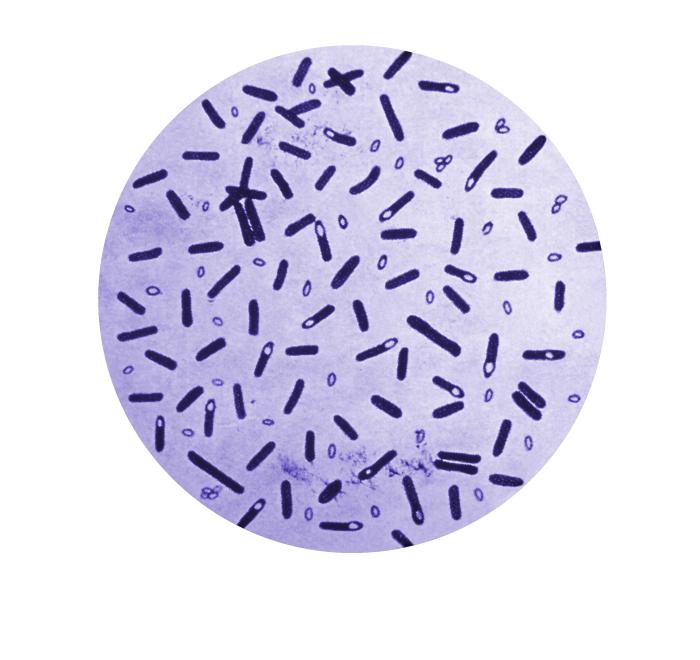
Clostridium botulinum is a rod-shaped bacterium (Figure 1), naturally occurring in the environment, particularly in soil. Under stressful conditions, C. botulinum form resistant spores that can even withstand most standard cooking. In most preservatives and food processing nowadays, acidity and high salt concentrations prevent C. botulinum spores from germinating so that they do not cause damage if ingested. However, if they do develop, growing C. botulinum produces botulinum neurotoxins (BoNT), which are the most toxic substances known to man. Therefore, ingestion of preformed BoNT or growth of the bacterium within a host can be lethal. Interestingly enough, diluted concentrations of BoNT are used in anti-aging Botox.

Figure 1: Microscopic view of gentian violet-stained Clostridium botulinum and their spores. Source: Public Health Image Library, Center for Disease Control (1979).

Figure 1: Microscopic view of gentian violet-stained Clostridium botulinum and their spores. Source: Public Health Image Library, Center for Disease Control (1979).

Botulinum comes from the latin word botulus, meaning sausage. In Europe in the 18th and 19th century, the consumption of blood sausage was sometimes associated with muscle paralysis, breathing problems and even death. This was because sausages provided the perfect environment for C. botulinum to grow and produce toxins at the time. The organism was first isolated and identified in 1897 from contaminated homemade raw ham in Belgium and from the spleen of a man who died from ingesting it.

Disease

C. botulinum can cause a severe neurological disease in humans and animals called botulism. The most common form is food-borne botulism, which often results from the ingestion of poorly preserved foods contaminated with preformed neurotoxins. Moreover, spores can establish themselves in deep wounds, where they can germinate and produce toxins capable of causing wound botulism. Finally, infant botulism occurs in children less than 1 years old and results from the production of BoNTs by established C. botulinum in immature intestines.  Infant botulism has been proposed as a potential cause of sudden death syndrome (SIDS) since both result in a similar sudden respiratory arrest. Botulism is not infectious because the absorption of BoNT in the bloodstream is required for the development of symptoms of the disease.

In all cases, the disease first manifests itself with symptoms such as double vision, inability to focus, difficulty swallowing, slurred speech, dry mouth and muscle weakness. The progression of the disease can lead to paralysis of the muscles responsible for breathing.

Epidemiology

Most incidences of foodborne botulism results from the accidental consumption of poorly preserved foods or home-prepared foods that contain preformed BoNTs. There were many outbreaks in the 20th century due to poor canning processes of foods. In recent years, there have been about 1,000 cases annually worldwide. The incidence of wound botulism is quite low, but almost exclusively occurs in injection drug users.  Most cases of infant botulism are due to the consumption of honey contaminated with C. botulinum spores before the age of 1. Annually, an average of 145 botulism cases are reported in the United States, with the majority of them being cases of infant botulism.

Virulence Systems

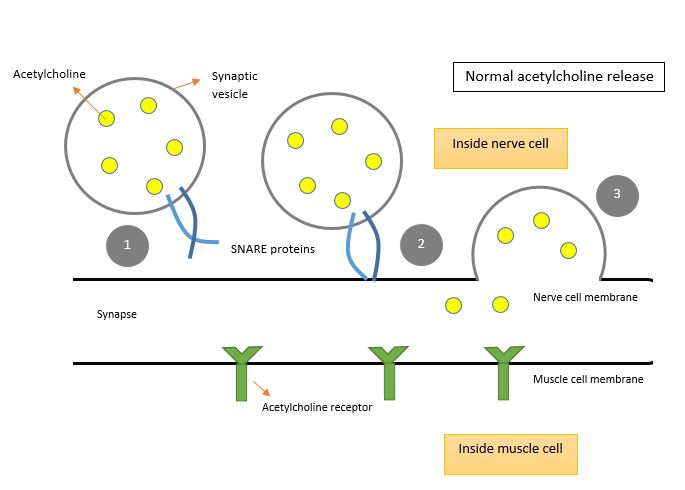
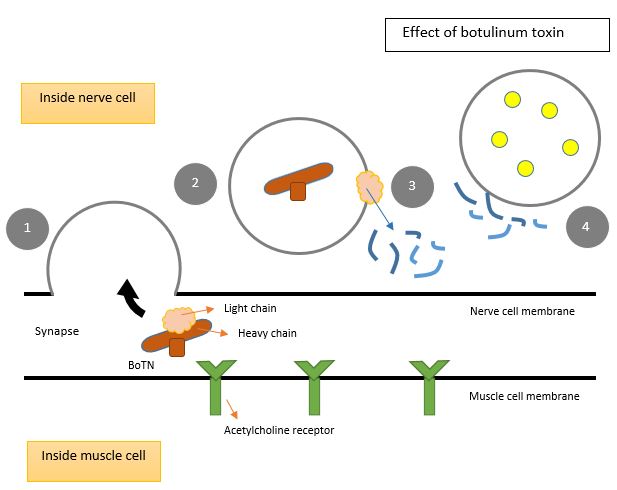
C. botulinum produce neurotoxins (BoNTs) which form a large complex with other proteins such as hemagglutinin and other non-toxic neurotoxin associated proteins (NAPs). These proteins protect the neurotoxin in the presence of harsh acidic environments and digestive proteases (enzymes that break down proteins) encountered in the host’s digestive tract. They also facilitate the absorption of the neurotoxin into the general circulation by disrupting the layer of cells which form a protective barrier. BoNT circulates in the bloodstream until it reaches neuromuscular junctions between neuron endings and muscle cells. The domain known as the heavy chain binds to receptors on the cell surface and mediates its internalization via a process called receptor-mediated endocytosis (Figure 3). The heavy chain, now inside a pocket called an endosome, allows the domain known as the light chain to escape. In the nerve endings, there are similar pockets called synaptic vesicles which contain chemicals called acetylcholine. Normally, SNARE proteins are involved in fusing these vesicles to the cell membrane in response to an electrical signal (Figure 2). Acetylcholine is thus released in the synapse (space between neuron endings and muscle cells) so that they can bind to receptors and induce muscle contraction. In the presence of BoNT however, the light chain cleaves these SNARE proteins, which inhibits the release of these neurotransmitters and results in muscle paralysis (Figure 3).

Figure 2: Release of acetylcholine in the synapse. 1. SNARE proteins bringing synaptic vesicles to the cell membrane 2. Fusion of the vesicle and the membrane 3. Release of acetylcholine in the synapse, free to bind receptors on the surface of muscle cells.

Figure 2: Release of acetylcholine in the synapse. 1. SNARE proteins bringing synaptic vesicles to the cell membrane 2. Fusion of the vesicle and the membrane 3. Release of acetylcholine in the synapse, free to bind receptors on the surface of muscle cells.

Figure 3: The inhibition of acetylcholine release in the synapse due to the action of botulinum toxin 1. Engulfment of the BoNT into the nerve cell 2. Translocation of the light chain out of the vesicle 3. Cleavage of SNARE proteins via the light chain 4. Inhibition of the fusion of acetylcholine-containing vesicles to the cell membrane.

Figure 3: The inhibition of acetylcholine release in the synapse due to the action of botulinum toxin: 1. Engulfment of the BoNT into the nerve cell 2. Translocation of the light chain out of the vesicle 3. Cleavage of SNARE proteins via the light chain 4. Inhibition of the fusion of acetylcholine-containing vesicles to the cell membrane.

Treatment

In general, if people are diagnosed and treated early for botulism, most of them will recover muscle strength within weeks to months. Rapid administration of equine botulinum antitoxins and human botulinum immune globulin is used to treat adult and infant botulism respectively. They act by neutralizing the effect of circulating toxins in the bloodstream.  Supportive intensive care such as intubation and mechanical ventilation is often also required. However, failure of rapid diagnosis or proper treatment can result in death within three to ten days due to the rapid development of respiratory failure.


References

Centers for Disease Control and Prevention [CDC]. (2014). Botulism. Retrieved from http://www.cdc.gov/nczved/divisions/dfbmd/diseases/botulism/#treat

Davis, E. L. (2003). Botulism. Current Treatment Options in Neurology, 5(1), 23-31.

Government of Canada. (2013). Botulism (Clostridium botulinum). Retrieved from http://healthycanadians.gc.ca/eating-nutrition/risks-recalls-rappels-risques/poisoning-intoxication/poisoning-intoxication/botulism-botulisme-eng.php

Mukai, Y., & Kaji, R. (2011). [Use of botulinum neurotoxin therapy]. Brain Nerve, 63(7), 775-784.

Peck, M. W. (2010) Clostridium botulinum (pp. 31-52). In Pathogens and toxin in foods: challenges and interventions.  Juneja, V. K. & Sofos, J. N. (eds) Washington, DC: ASM Press.

Rummel, A., & Binz, T. (ed.). (2013). Botulinum neurotoxins. Berlin: Springer.

Shukla, H. D. & Sharma, S. K. (2005). Clostridium botulinum: A Bug with Beauty and Weapon. Critical Reviews in Microbiology, 31(1), 11-18.

Smith, L. D. & Sugiyama, H. (1988). Botulism: The Organism, Its Toxins, The Disease (2nd ed.). Springfield, IL: Charles C. Thomas Publisher.

Sobel J. Botulism. (2005). Clinical Infectious Diseases. 41(8): 1167-1173.

World Health Organization [WHO]. (2013). Botulism. Retrieved from http://www.who.int/mediacentre/factsheets/fs270/en/.